
Our story
What we mean by an abbey
Abbeys began as communities rooted in one place, offering sanctuary and quiet to the weary. They kept the faith they had been handed. Their bakers, craftsmen and artisans worked for the good of the whole house, and what was left over went freely to the neighbors.
Restoration Abbey started in 2014 at Pizza Nova, a pizza restaurant in San Marcos. Since then we've been asking what an abbey would look like here. Who would its people be? What would it mean for the streets where they live and work?
We dream of a place on earth as it is in heaven, where people, relationships, and neighborhoods are whole and at peace with God, Father, Son, and Holy Spirit. The Bible's word for that wholeness is shalom.
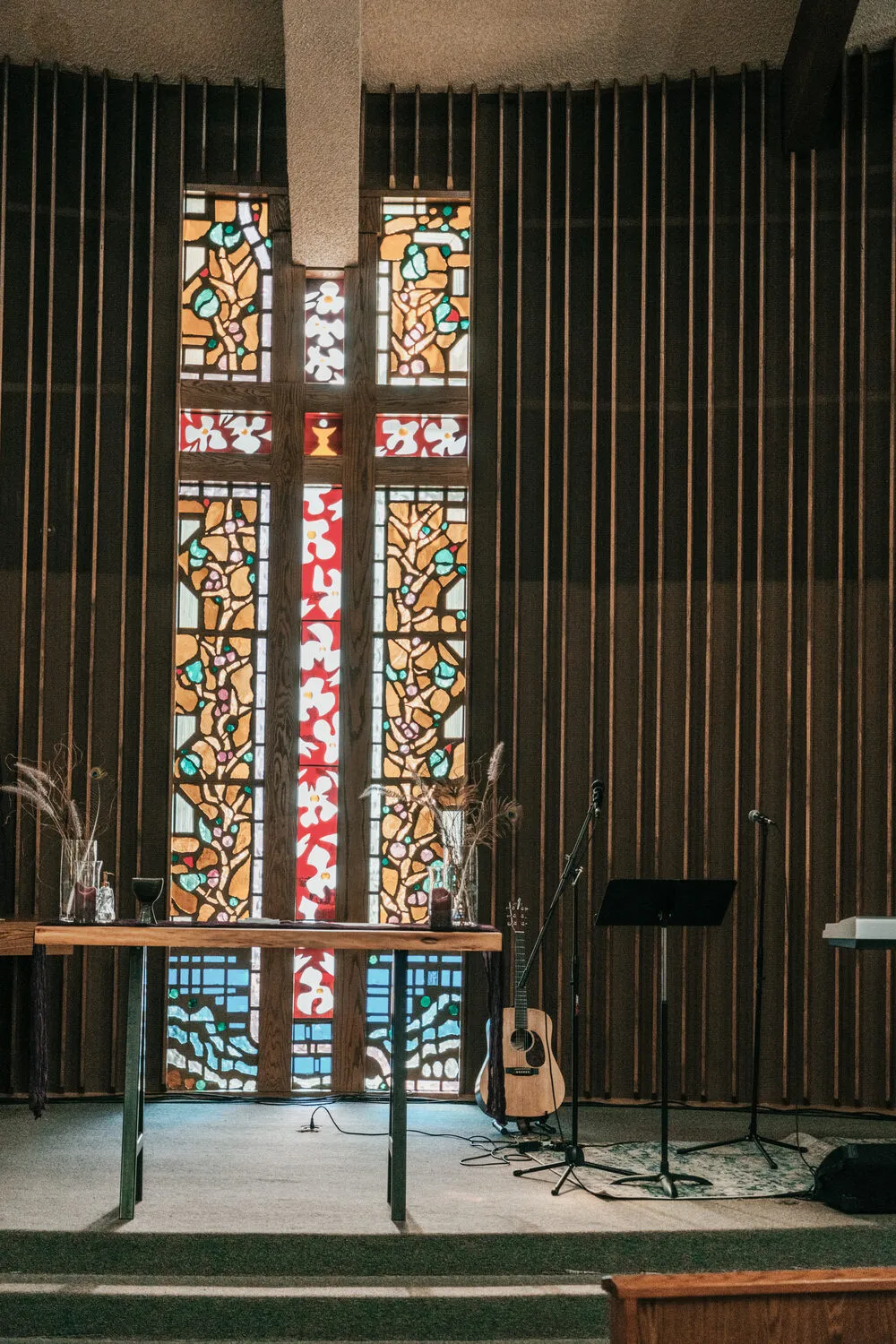
So we call ourselves an abbey: a house of prayer that belongs to its neighbors.
Our vision
We are being formed by unlikely friends into the friends of God and joining God in the restoration of all things.
We use this phrase to describe our community as it is and as we hope it will be. The invitation takes root first in the neighborhood where we gather for worship, a few streets at a time.
-
Unlikely friends
Unlikely, because it starts with God calling us friends, and that's about as unlikely as friendships get. So there are no bounds on who might offer us friendship or receive it from us. God crossed everything that kept us from God and from one another. The church is invited into the same work: crossing the social, political, ethnic, and economic lines that divide us, one friendship at a time.
-
Friends of God
God chose never to be, except to be with us. God with us changes how we relate to God, to ourselves, and to each other.
Jesus showed what that looks like when he called his disciples friends. Friendship looks like sharing meals, being patient with one another, forgiving each other, and spending time together with no agenda.
-
The restoration of all things
Restoration is a longing for our whole community to be made well, as we live into the prayer Jesus taught us: "on earth as it is in heaven."
It touches bodies, households, paychecks and paperwork as much as souls. This is God's work and not ours, and our job is to catch up with it.
Where we are
Who is here, and who is not yet
We say we want a church of unlikely friends and we aren't fully there, because friendship is difficult and intimacy is difficult. In practice, many people who find us are people worn out by American evangelicalism, and the neighbors we most want to know are immigrants and working families in San Marcos.
We're not going to pretend that gap is closed. We'd rather name it and keep showing up in the places where it might close: shared meals, shared work, Spanish mixed into the English, and a willingness to be changed by people we did not grow up with. It is slow, and the company is good.
How we are joined to this place →Why Anglican
A creedal church
Most of us at Restoration Abbey didn't grow up Anglican. Some came from nondenominational churches, Baptist churches, Catholic churches or other Christian traditions. Others came with little experience of church at all. So it's fair to wonder what we mean when we describe ourselves as a creedal church.
The Apostles' Creed has its roots in the earliest centuries of Christianity, when those preparing for baptism were asked to confess their faith in the Father, Son, and Holy Spirit. Nearly two thousand years later, these same words are still spoken in churches around the world. In Nairobi and Cairo, in a small village in England, and here in North County San Diego, Christians confess the same ancient faith.
The creeds tell the story of the God who created us, of Jesus Christ who lived among us, was crucified and raised, and of the Holy Spirit who gathers us into the life of the Church. N. T. Wright describes the creeds as portable stories: a way of carrying the great story of Scripture with us, even as we spend our lives learning to unpack its meaning.
When we stand together and say the creed, we're doing more than declaring what we believe. We're joining our voices to the Church across generations and around the world. We're remembering the story we belong to, and learning what it means to live within it.
We don't imagine that saying these words settles every question. They draw us further into the conversation, into Scripture, and into a shared life of worship where we can differ and stay at the same table. They remind us that the Christian faith is something we've received, something we share, and something we're still learning to inhabit.
Who serves here
Clergy and staff
-
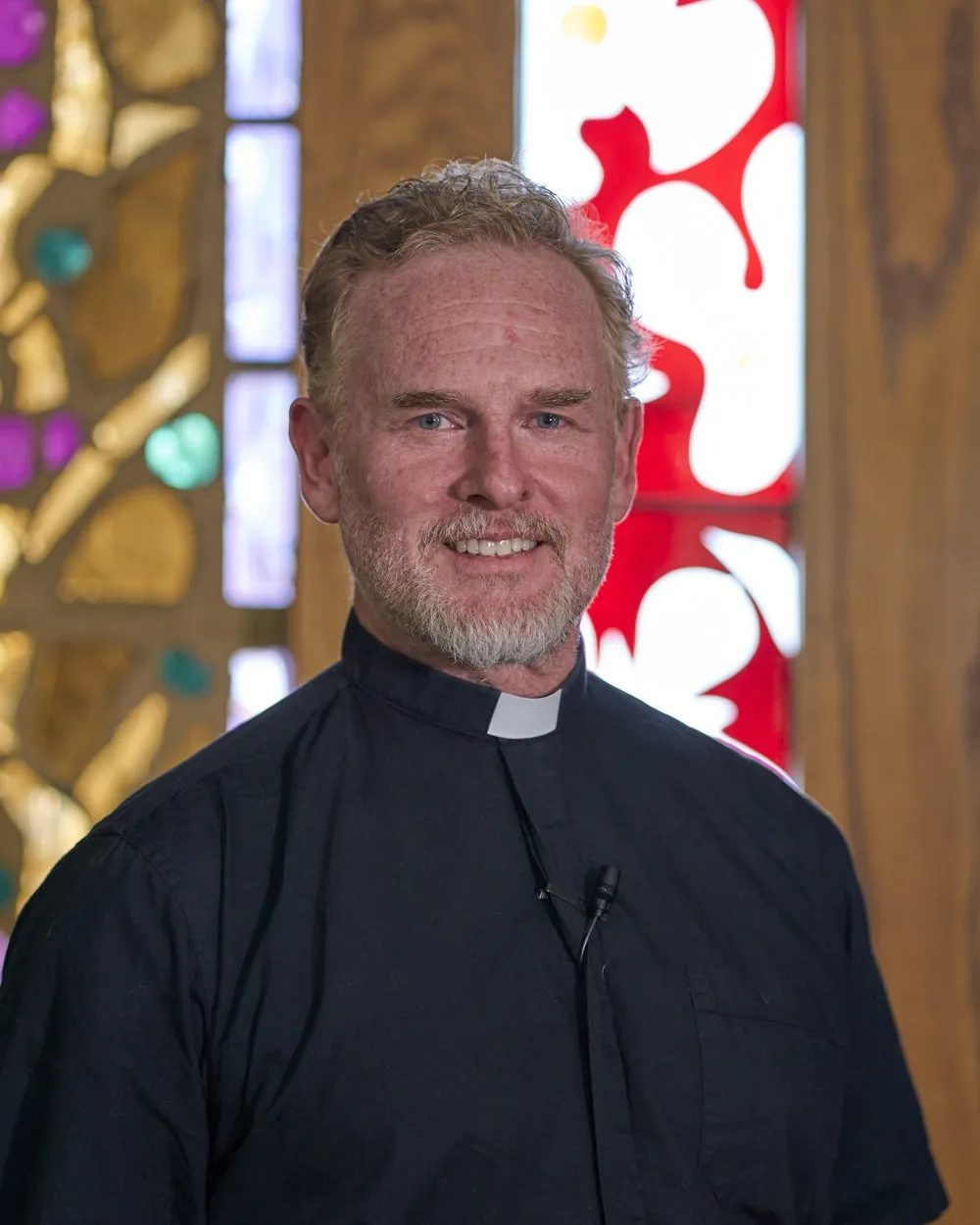
Rev. Matthew Veling
Co-Rector
-
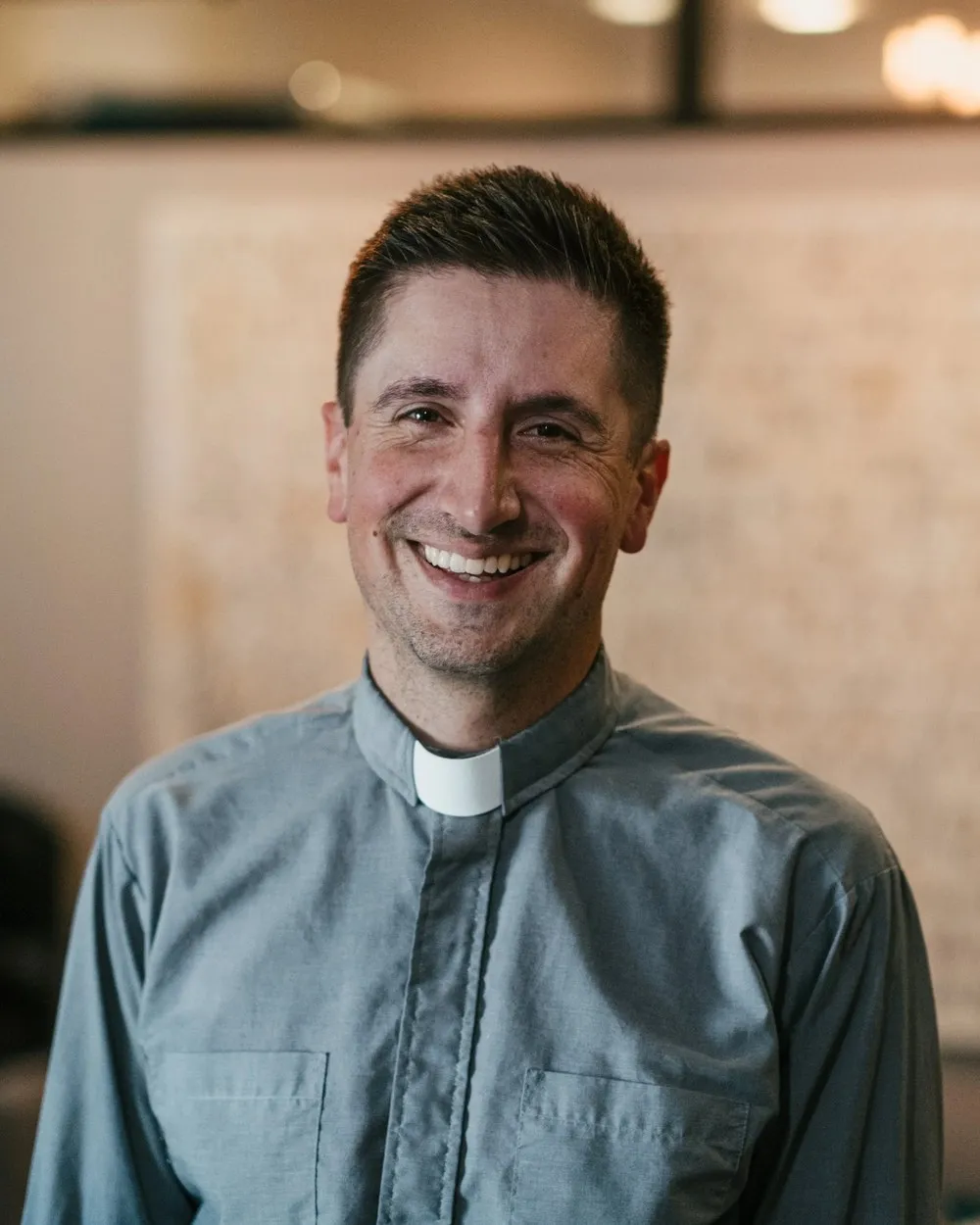
Rev. Alex Aguas
Co-Rector
-

Rev. Vania Gomez
Deacon
-
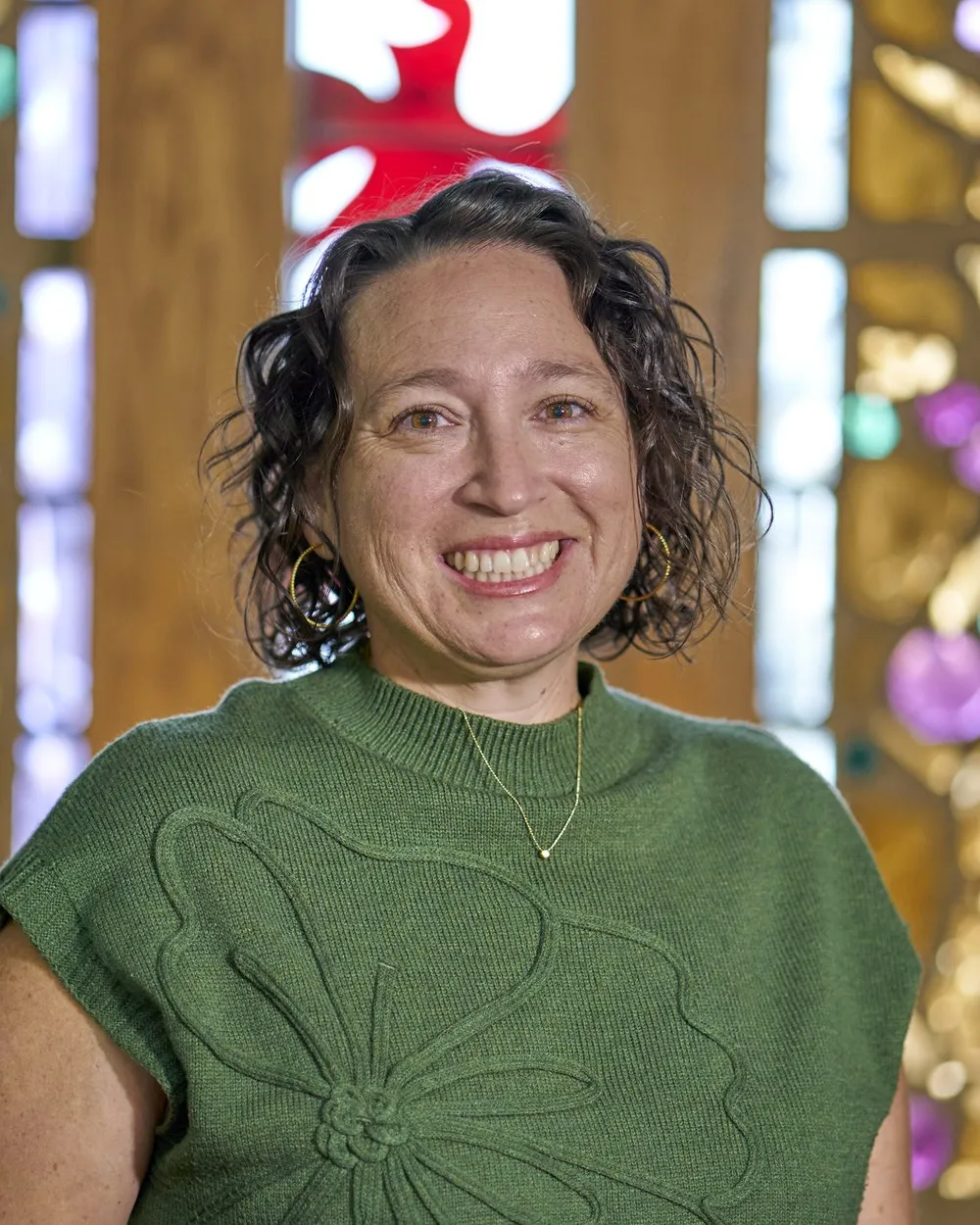
Kelly Perez
Pastor of Early Formation
-
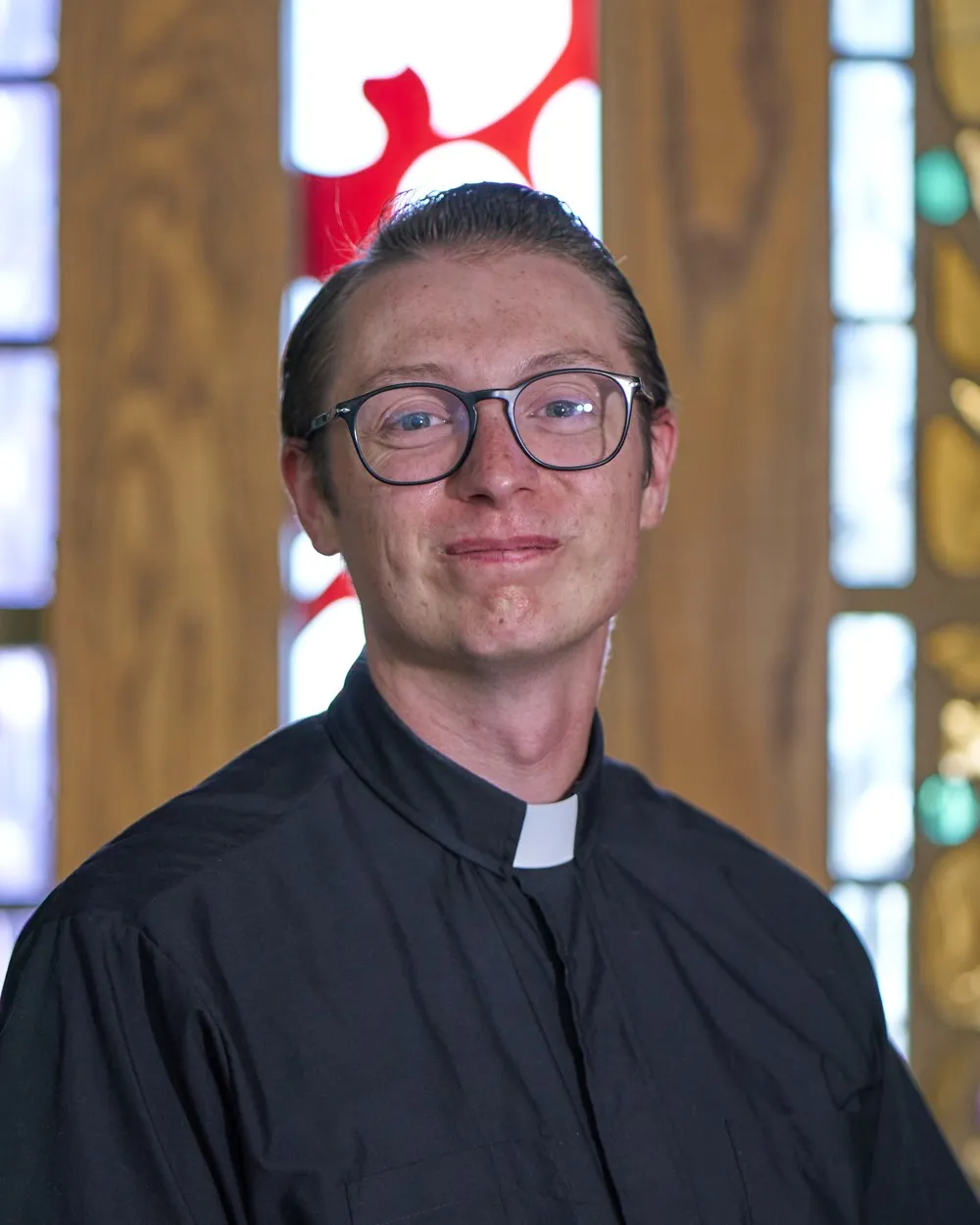
Rev. Matt Calio
Music Director
-
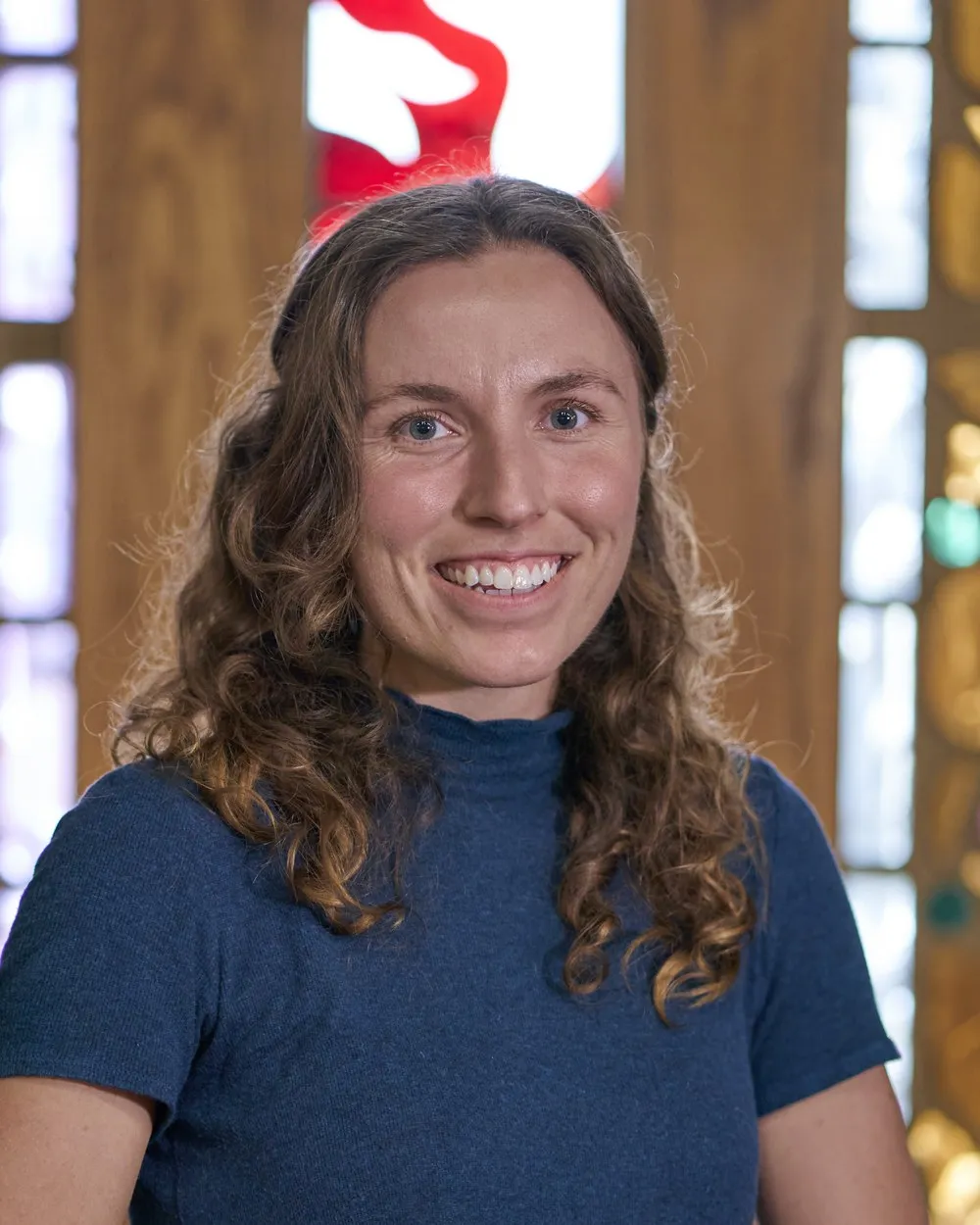
Emily Van Meter
Artist in Residence
-
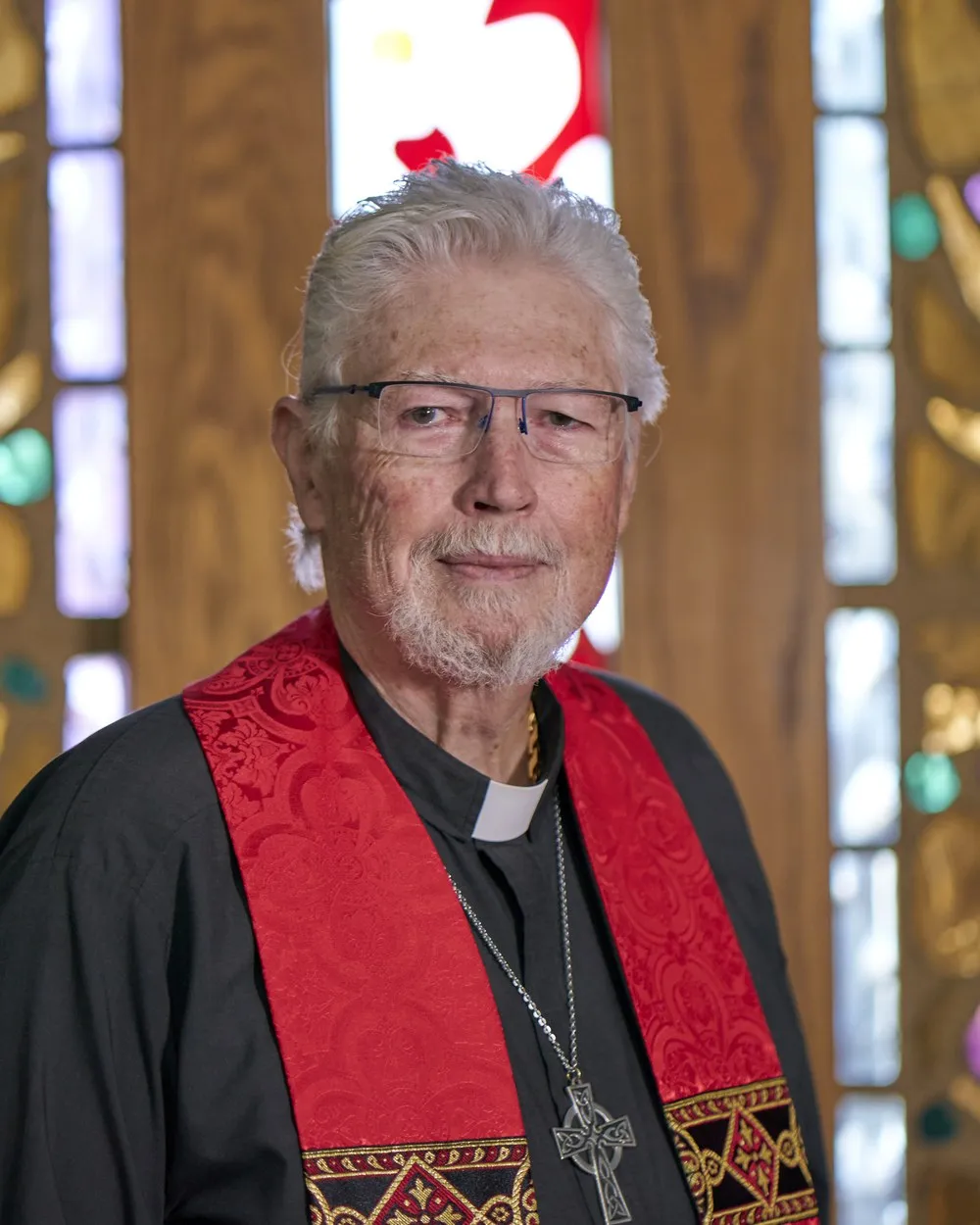
Rev. Tony Baron
Pastor Emeritus
Vestry
-
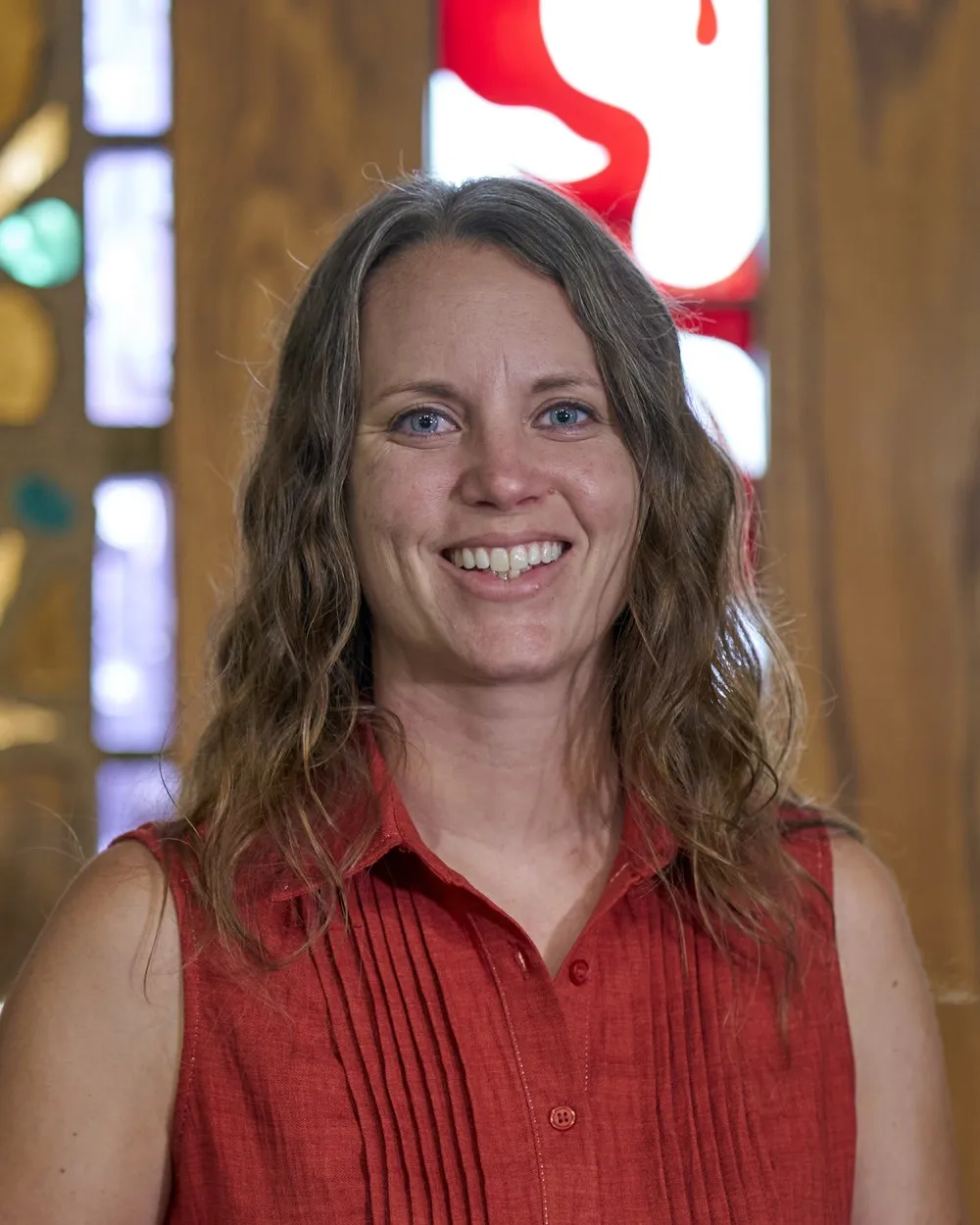
Kristy Howden
-
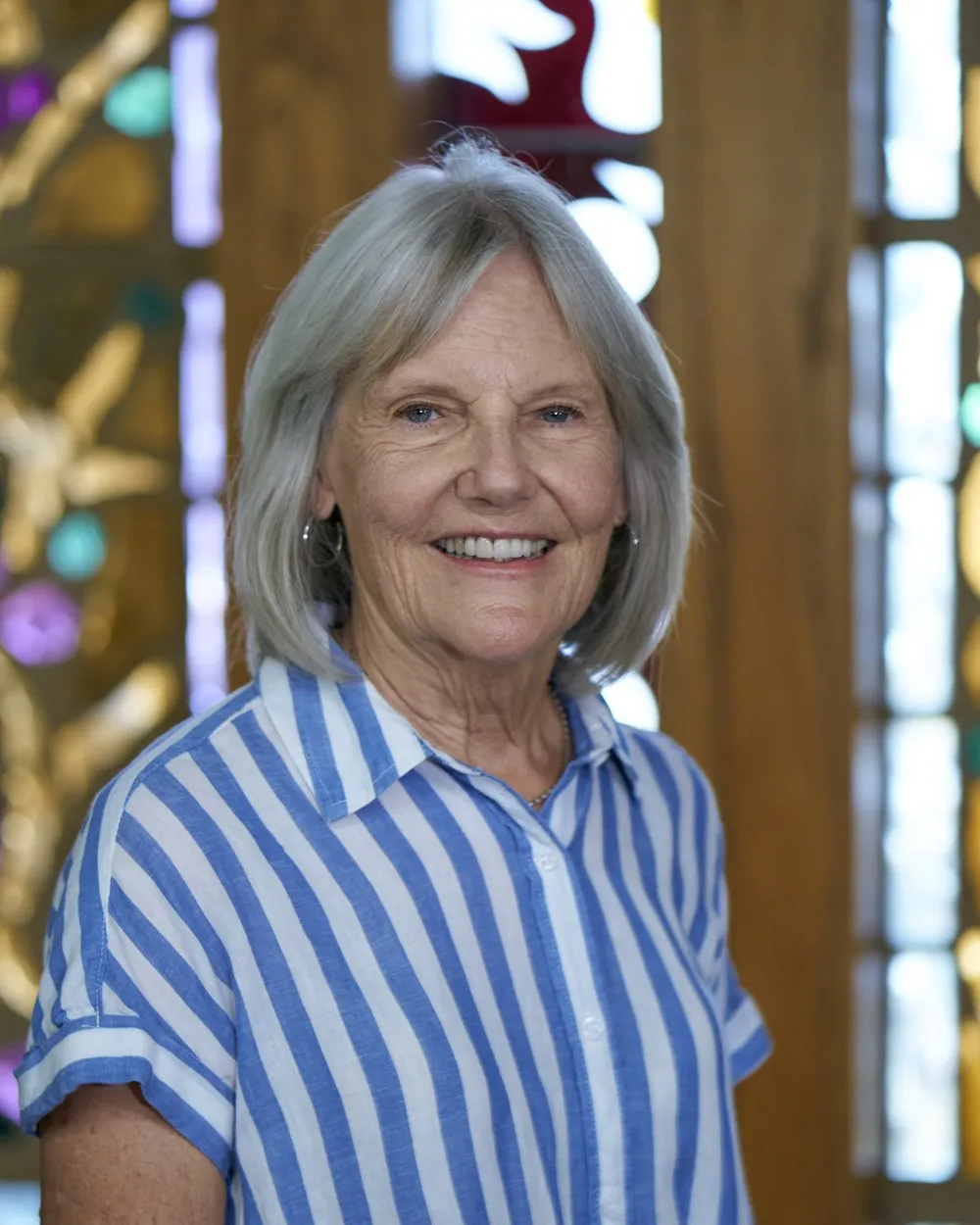
Joni Hall
-
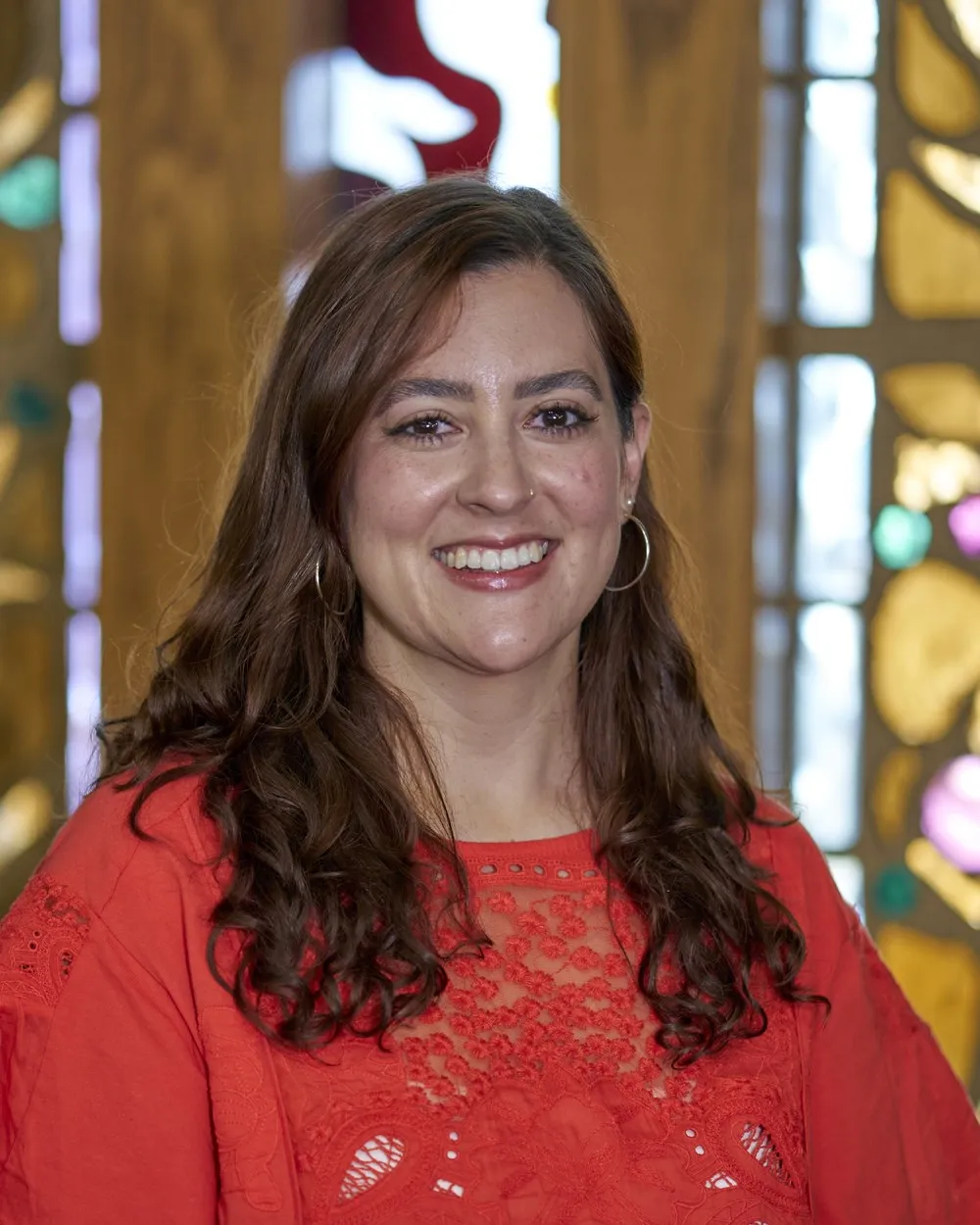
Lillian Arjona Garzon
-
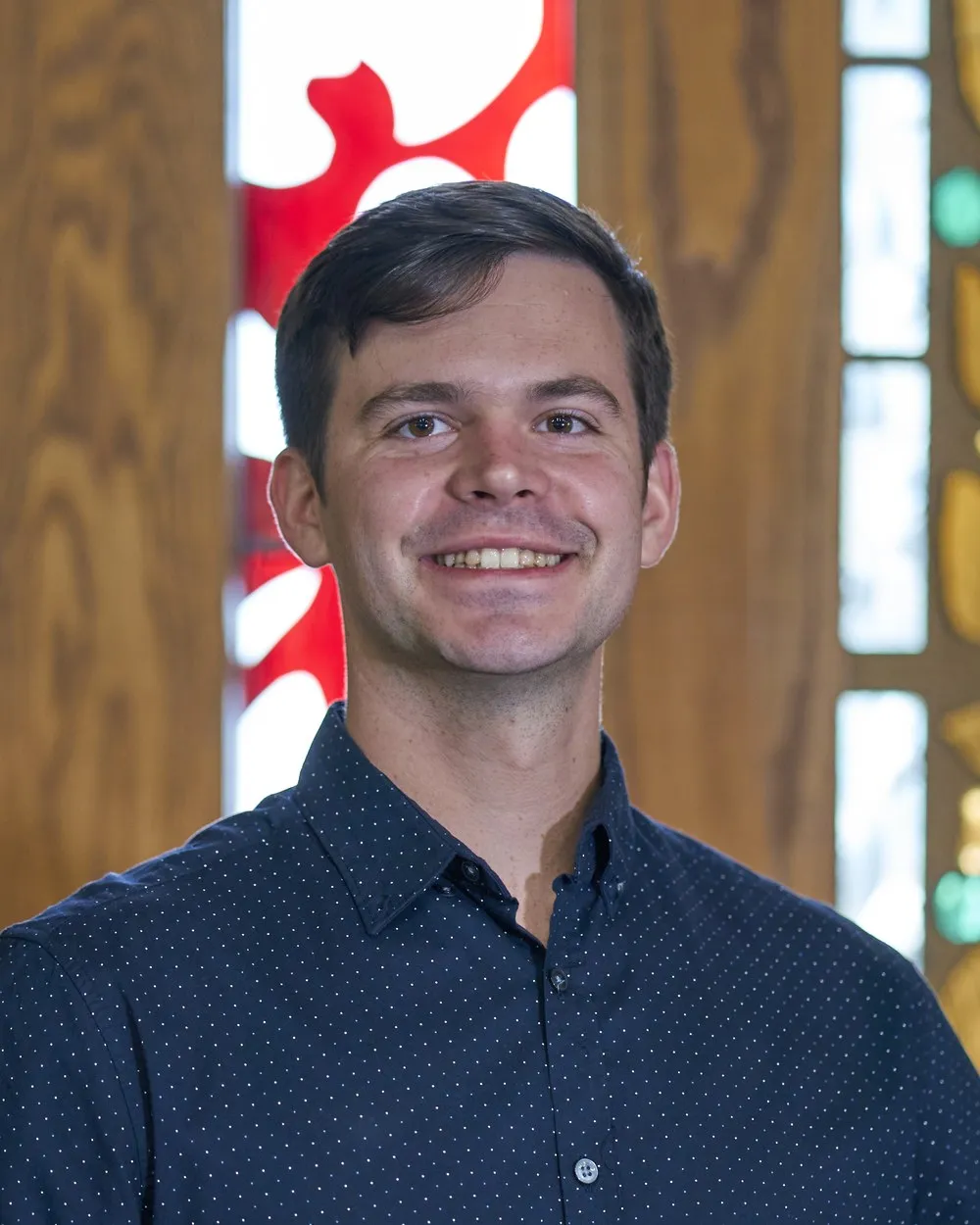
Colin Van Meter
Common questions
- What denomination is Restoration Abbey?
- Restoration Abbey is an Anglican church in the Diocese of Churches for the Sake of Others (C4SO), part of the Anglican Church in North America. Worship follows the Anglican liturgical tradition: scripture, prayer, and communion every Sunday.
- Is Restoration Abbey a conservative or a progressive church?
- Neither label fits cleanly. Restoration Abbey holds historic Christian teaching and the creeds. People here vote differently from one another, read some scriptures differently, and mean to stay at the same table.
- Do women serve in leadership at Restoration Abbey?
- Yes. Restoration Abbey is committed to women in ordained leadership. Women serve among the clergy here and on the lay vestry, alongside the two co-rectors.
- What does the name Restoration Abbey mean?
- An abbey was historically a community on the edge of a town that kept a rhythm of prayer and offered sanctuary to travelers and the weary. Restoration refers to the prayer that God is making all things new, on earth as it is in heaven, including the material conditions of a neighborhood.
The rest of it is easier to see in person
Sundays at 10am, 800 W Mission Road, San Marcos.
Plan a visit